









































What the Apple 2026 Price Increase Means for Your Device Budget

On June 25, 2026, Apple raised prices across some of its hardware lineup.. For organizations that budget around Apple devices, this is a meaningful change. It is worth understanding what is driving the price increase and how to plan around it.
The short version is that this is an industry-wide component cost issue. Organizations that plan accordingly will be in a much better position than the ones caught off guard.
What Actually Changed
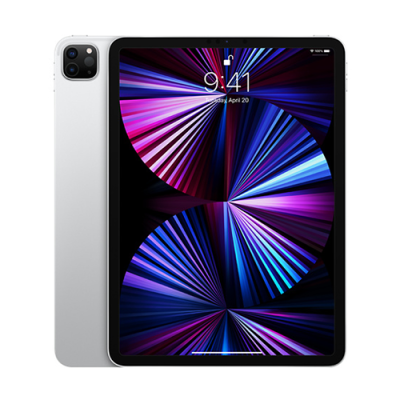
The price increases affected Mac, iPad, Apple TV, HomePod, and Vision Pro. It is important to note that the price increase was not in response to specification changes. Instead, it reflects the increased cost of the memory and storage components inside the device.
What Is Driving the Price Increase
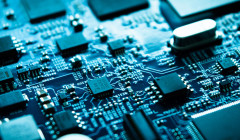
The cause of the hardware price increase is tied to a global shortage of memory and storage chips, driven by the rapid expansion of AI data centers. Data centers are buying high-bandwidth memory at enormous scale. This memory is manufactured on the same production lines as the conventional DRAM and storage that consumer and business devices depend on, so manufacturers are shifting capacity to meet this demand. As a result, the supply for everything else tightens, making prices increase.
This is not unique to Apple. Other PC manufacturers raised their prices months earlier under the same pressure. Apple was one of the last major manufacturers to pass these costs through and absorbed the increases for as long as possible.
Apple described the situation as an extraordinary surge in component demand. Industry analysts expect memory costs to remain elevated into 2027.
What This Means for Your Organization
For organizations planning Apple device purchases, there are a few things worth keeping in mind:
- Increases hit upgrade tiers hardest. Memory and storage now represent a larger share of each device’s cost. That means the jump from a base configuration to a higher-RAM or larger-storage model is more expensive than it used to be. For your business, that means getting the storage you actually need matters more now than it did just a few months ago.
- Refresh timing matters. Organizations who have aging hardware may want to evaluate when to refresh. With prices expected to remain elevated, waiting may not bring prices back down in the near future.
- Procurement strategy matters more than ever. Deciding on financing options, volume purchasing, lifecycle planning, and trade-in programs all become more valuable when cost per device rises. The organizations that manage these will offset a meaningful portion of the increase.
How MBS Helps Organizations Navigate This
This is exactly the kind of situation where having a procurement partner can make a big difference. Mac Business Solutions (MBS) helps organizations plan device purchases strategically as well as spec configurations appropriately for actual needs. Organizations can access finance and volume purchasing options with our help, as well as build lifecycle plans that manage costs over time.
If your organization is working through how the 2026 price increases may affect your device budget, we are happy to help you build a plan that makes sense.
[Contact MBS about Apple procurement strategy.]
Mac Business Solutions is a certified Apple and Jamf partner specializing in enterprise Apple device management, lifecycle services, and IT infrastructure for commercial and federal clients.
Apple, the Apple logo, Mac, MacBook Air, MacBook Pro, iPad, iPhone, Apple Watch, AirPods, Apple TV, HomePod, and Vision Pro are trademarks of Apple Inc., registered in the U.S. and other countries.
Want to learn more?
Contact MBS to discuss classroom technology for your district.