













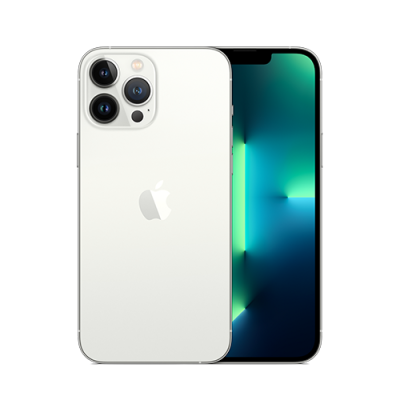
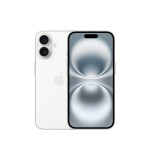
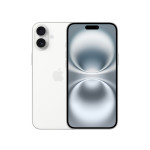
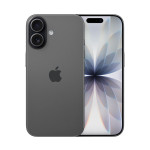
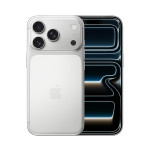
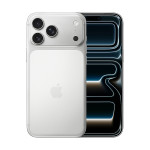
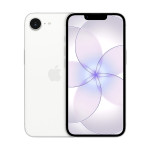
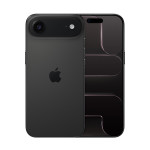







Organizations that have standardized on Apple devices rarely end up with a fleet that is entirely made of Apple devices. A hospital running iPad devices at the point of care may also have Android handhelds scanning barcodes in its pharmacy. A logistics operation issuing iPhone devices to drivers may have rugged Android units in the warehouse. Manufacturing and field service teams tend to run into a similar pattern as well.
Covering both often meant replacing a dedicated Apple management tool with a single platform built to support anything, Android included. Using a tool with broader coverage can cause the platform to be able to handle Apple devices, but not with the same depth as a tool that is built for Apple specifically.
The other alternative is to run two device management platforms, one for Apple, and one for Android, but this can produce friction and more manual work.
Jamf for Mobile
Jamf for Mobile is built for organizations that treat Apple as their primary mobile platform, but that still need to account for Android devices in the environment. It handles the specifics of Apple management, including declarative device management, automated enrollment, and the differences between supervised and unsupervised devices. Then, it extends that coverage to the Android devices in the fleet as well.
One Platform or Two?
Running two device management platforms is an option that some organizations use when they have both Apple and Android in their fleet. However, this can cause things like policies getting written twice and drifting apart, compliance reporting requiring reconciling two sources instead of one, and onboarding and offboarding ending up needing two separate workflows. It is easy to accidentally skip one workflow, which can lead to a departing employee’s device still being active months later.
Consolidating into one platform removes most of this type of friction and simplifies processes across the organization.
The Value for Organizations Using Primarily Apple Devices
The value of Jamf for Mobile for organizations using primarily Apple devices is that it was built for Apple. Android coverage is an extension, but not the foundation. This means covering a handful of Android devices does not require trading away any of the Apple-best experience the platform was built to provide in the first place.
Some of these features include:
- Same-day support for new Apple operating system releases
- Native support for Apple management features
- A platform built around the Apple ecosystem
Those are some of the features that organizations choose Jamf for to begin with, and adding in Android coverage for your organization does not require giving those up.
For organizations already working through procurement, Jamf for Mobile is also available through the AWS marketplace. It can also be eligible for pre-committed cloud spend, which is worth knowing if your mobile device budget runs through one of those channels already.
If you have any questions, feel free to reach out and ask us how Jamf for Mobile might fit your current setup.
Want to learn more?
—
Mac Business Solutions is a certified Apple and Jamf partner specializing in enterprise Apple device management, lifecycle services, and IT infrastructure for commercial and federal clients.
Apple, the Apple logo, iPad, and iPhone are trademarks of Apple Inc., registered in the U.S. and other countries and regions.